

Posts
See what everyone’s up to and what’s on their minds

Posts
-
-
-
Substation Monitoring Market Size, Share Analysis and Forecast 2035 Report
https://www.marketresearchfuture.com/reports/substation-monitoring-market-7341
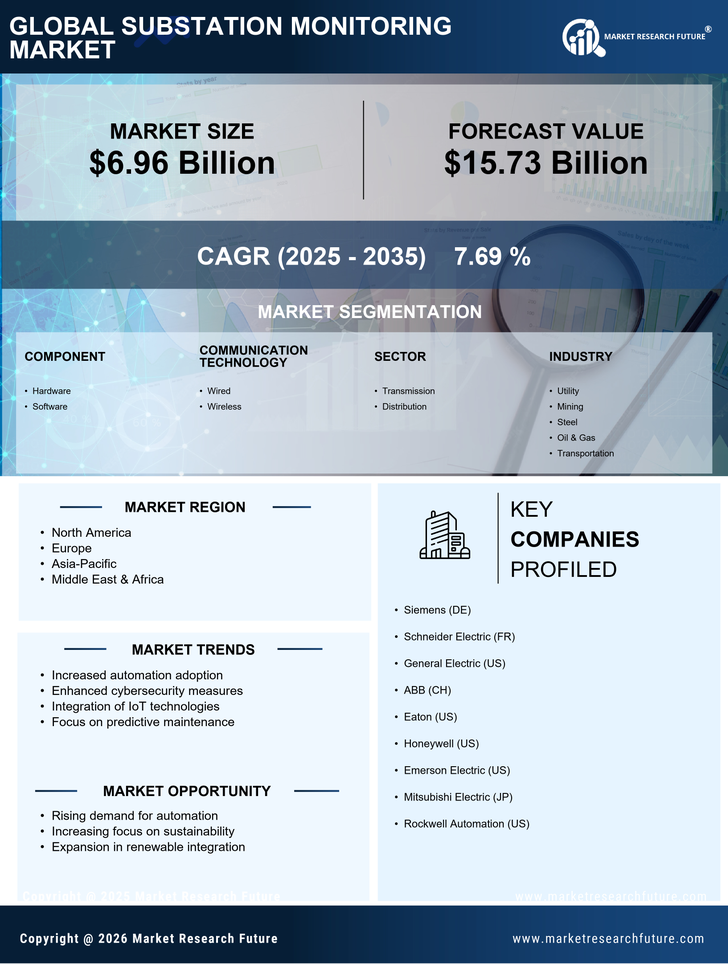
As per Market Research Future, the Substation Monitoring Market size is projected to expand considerably as utilities worldwide invest in digital transformation and infrastructure modernization. The increasing complexity of power networks, combined with the need to ensure uninterrupted electricity supply, is fueling the expansion of monitoring solutions across transmission and distribution networks. Market growth is further supported by the rising integration of distributed energy resources and the demand for advanced asset management systems.
The size of the substation monitoring market is influenced by several macroeconomic and industry-specific factors. Growing urban populations and rapid industrial development are driving electricity consumption, thereby increasing the need for reliable grid infrastructure. Utilities are allocating substantial budgets toward automation and real-time monitoring technologies to minimize service disruptions and enhance operational transparency.
Investment in smart substations is a major contributor to market expansion. Smart substations utilize digital communication protocols, advanced protection systems, and remote monitoring capabilities to improve performance and reduce manual intervention. As countries modernize aging power infrastructure, spending on intelligent monitoring solutions is rising significantly.
Another factor contributing to market size growth is the shift toward renewable energy. Renewable power generation introduces variability in grid operations, requiring advanced monitoring systems to maintain stability. Substation monitoring solutions provide accurate data on voltage levels, transformer temperatures, and equipment load conditions, enabling better grid management.
Technological innovation continues to expand the addressable market. The integration of cloud-based platforms allows utilities to centralize data from multiple substations and conduct comprehensive performance analysis. Artificial intelligence and machine learning algorithms are enhancing predictive maintenance capabilities, reducing unexpected equipment failures and maintenance costs.
From a regional perspective, North America represents a significant portion of the overall market size due to early adoption of automation technologies. Europe’s commitment to renewable energy targets is also contributing to strong market growth. Meanwhile, Asia-Pacific is witnessing rapid expansion as governments invest in electrification projects and smart grid deployment. Emerging economies are focusing on reducing transmission losses and improving grid efficiency, further boosting market demand.
Competitive dynamics also influence market size. Key players are investing in research and development to introduce advanced monitoring solutions with enhanced communication capabilities and cybersecurity features. Partnerships between technology providers and utility companies are accelerating solution deployment.
Overall, the expanding market size reflects the growing recognition of digital monitoring as a critical component of modern power infrastructure. As utilities aim to improve reliability, safety, and efficiency, investment in substation monitoring technologies is expected to increase steadily.
FAQs
1. What factors are driving the growth of the substation monitoring market size?
Key drivers include grid modernization, renewable energy integration, rising electricity demand, and adoption of predictive maintenance technologies.
2. How does smart grid development impact market size?
Smart grid initiatives increase demand for digital monitoring systems that provide real-time data and enhance grid stability.
3. Which region is expected to show the fastest growth?
Asia-Pacific is anticipated to experience rapid growth due to infrastructure expansion and large-scale electrification projects.135 Views -
CNG Tanks Market Size, Share Analysis and Forecast 2035 Report
https://www.marketresearchfuture.com/reports/cng-tanks-market-12067
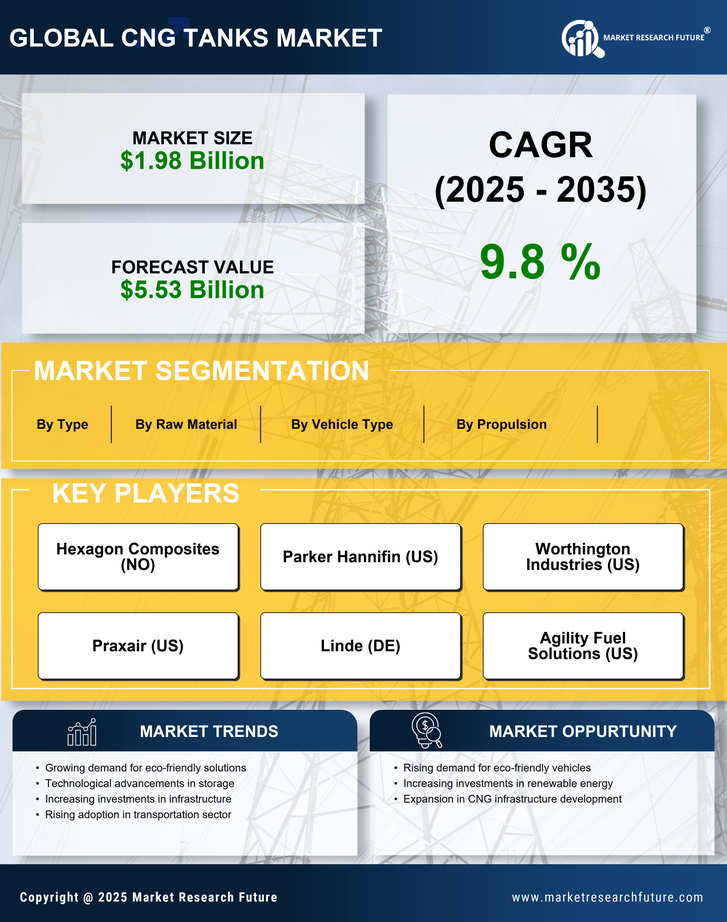
As per Market Research Future, the CNG Tanks Market size is projected to grow significantly over the coming years, supported by rising adoption of alternative fuel vehicles and expanding CNG infrastructure globally. The increasing shift toward low-emission transportation solutions is accelerating investment in compressed natural gas storage technologies. Market expansion is particularly strong in emerging economies where governments are promoting CNG as a cleaner and more affordable fuel option.
The overall market size is influenced by multiple growth factors, including urbanization, rising fuel costs, and stringent emission norms. Developing countries are rapidly adopting CNG buses and commercial vehicles to reduce air pollution in metropolitan regions. Additionally, rising awareness among consumers regarding the environmental benefits of CNG vehicles is contributing to steady demand for high-capacity and lightweight storage tanks.
In terms of tank type segmentation, composite tanks (Type III and Type IV) are expected to account for a growing share of total market revenue. Their lightweight design improves vehicle efficiency, making them increasingly popular among automotive manufacturers. Although metal tanks (Type I) remain widely used due to lower cost, composite tanks are witnessing faster growth in value terms.
The automotive sector remains the largest contributor to overall market size. Passenger vehicles and commercial fleets are the primary consumers of CNG tanks, especially in countries with well-established refueling networks. Public transportation systems are adopting CNG-powered buses to meet emission targets while reducing operating expenses.
Geographically, Asia-Pacific represents the largest and fastest-growing region in terms of market size. India and China are leading contributors, supported by large vehicle populations and government-backed infrastructure programs. Europe also demonstrates substantial market value due to environmental policies encouraging alternative fuel adoption. North America shows steady growth, particularly in the commercial trucking segment.
Technological innovation continues to expand the market’s revenue potential. Manufacturers are focusing on advanced carbon fiber materials and improved cylinder designs to increase durability and safety. As production scales up, costs are expected to gradually decrease, further driving adoption rates.
Overall, the CNG tanks market size is set to expand consistently, backed by sustainability initiatives and growing demand for cost-effective fuel alternatives. While electric mobility presents competitive pressure, CNG remains a practical transitional fuel, especially in regions where EV infrastructure is still developing.
FAQs
1. What factors are driving the growth of the CNG tanks market size?
Key drivers include rising adoption of CNG vehicles, government incentives, emission regulations, and expanding refueling infrastructure.
2. Which segment contributes most to market revenue?
The automotive sector, particularly passenger and commercial vehicles, contributes the largest share of revenue.
3. How is technology impacting market size growth?
Advancements in composite materials and lightweight tank designs are improving efficiency and increasing demand.122 Views -
Heating Cooling Market Size, Share Analysis and Forecast 2035 Report
https://www.marketresearchfuture.com/reports/heating-cooling-market-research-report-forecast-till-2032-25279
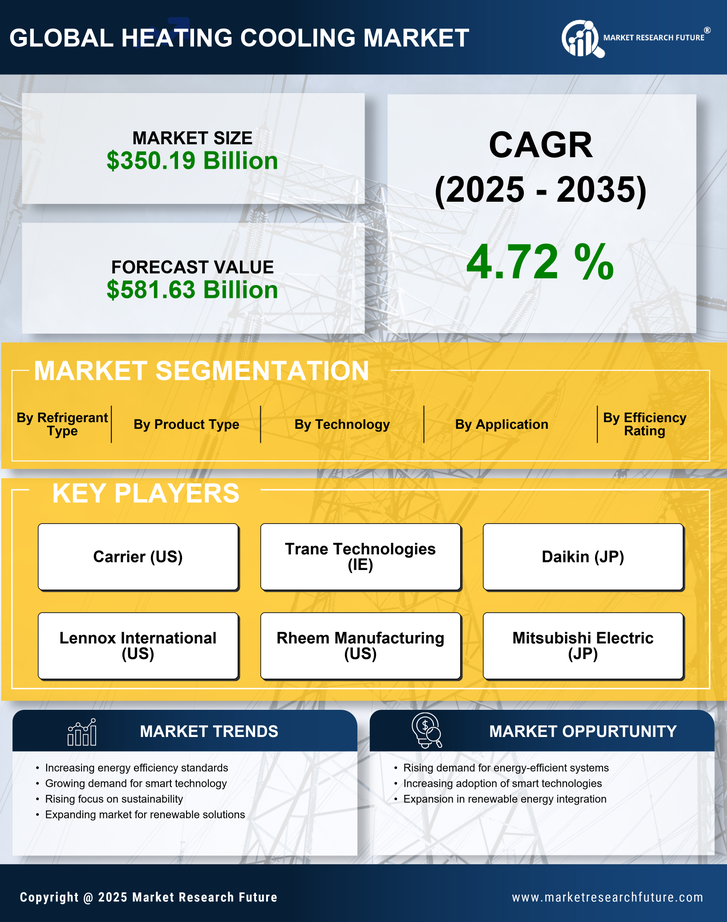
As per Market Research Future, the Heating Cooling Market size is expected to expand significantly in the coming years, reflecting a growing need for efficient indoor climate management solutions. The market size is influenced by rising construction activities, adoption of smart building technologies, and increasing consumer awareness of energy efficiency.
Globally, the market size has been driven by the combined demand from residential, commercial, and industrial sectors. Advanced HVAC systems, including energy-efficient heat pumps, VRF (Variable Refrigerant Flow) systems, and smart thermostats, are contributing to a surge in market volume. The growing adoption of sustainable and eco-friendly technologies further enlarges the market footprint.
Market Drivers
Infrastructure Growth: The increasing number of residential complexes, commercial buildings, and industrial facilities is expanding the market size for heating and cooling solutions.
Rising Disposable Income: Increased purchasing power in emerging economies enables consumers to invest in premium and energy-efficient HVAC systems.
Technological Advancements: Smart HVAC systems, IoT integration, and renewable energy-based solutions enhance the market’s scalability and adoption.
Market Segmentation
The market size can be analyzed based on type, application, and geography. By type, air conditioning systems dominate due to their high demand in residential and commercial buildings. By application, residential systems constitute a large share, while commercial and industrial segments are growing due to office spaces, data centers, and manufacturing units requiring precise climate control.
Regional Insights
North America, led by the U.S., maintains a substantial market size due to the high adoption of smart building technologies and government energy efficiency initiatives. Europe follows closely, with a focus on sustainability and low-carbon solutions. Asia-Pacific is expected to witness the most rapid expansion in market size due to urbanization and industrialization, particularly in India and China.
Challenges
High capital investment and energy costs are potential restraints on market growth. However, favorable government policies, rebates for energy-efficient systems, and increasing demand for comfort and safety are likely to offset these challenges.
Future Outlook
The heating and cooling market size is projected to grow consistently, driven by technological innovation, smart automation, and sustainability trends. Manufacturers focusing on IoT-enabled solutions and hybrid systems integrating renewable energy will capitalize on market growth opportunities.
FAQs
Q1: What determines the market size of heating and cooling solutions?
Factors include construction activities, adoption of energy-efficient technologies, and demand from residential, commercial, and industrial sectors.
Q2: Which product type contributes most to the market size?
Air conditioning systems currently dominate, while heat pumps and smart HVAC solutions are rapidly gaining market share.
Q3: How is Asia-Pacific impacting market size growth?
Rapid urbanization, industrialization, and rising disposable incomes in countries like India and China are significantly expanding the market size.133 Views -
Power Generation Equipment MRO Services Market Size, Share and Forecast 2035 Report
https://www.marketresearchfuture.com/reports/power-generation-equipment-mro-services-market-67584
As per Power Generation Equipment MRO Services Market share
, the global market for maintenance, repair, and operations (MRO) services for power generation equipment is witnessing significant transformation driven by evolving energy demands, technological advancements, and an increasing emphasis on operational efficiency. The power sector’s reliance on critical machinery — ranging from gas turbines and steam turbines to boilers and generators — makes MRO services indispensable for enhancing equipment reliability, reducing downtime, and maximizing asset longevity. With projections indicating robust growth over the forecast period, industry stakeholders are strategically aligning with service providers to optimize asset performance and ensure uninterrupted power supply across regions.
Market Overview
The power generation equipment MRO services market encompasses a suite of services tailored to maintain, repair, and overhaul essential components of power generation infrastructure. This includes scheduled maintenance, predictive diagnostics, component repair and refurbishment, spare parts management, and emergency support services. The imperative to minimize unplanned outages, combined with the shift toward digital condition monitoring and predictive maintenance, positions MRO services as a critical component of modern power generation strategies.
Overall market growth is propelled by rising electricity demand across residential, commercial, and industrial sectors, particularly in emerging economies where infrastructure expansion is prioritized. Aging power assets in mature markets also contribute to increased MRO expenditures, as older plants require more frequent intervention to maintain performance standards.
Key Drivers of Growth
Rising Global Energy Consumption
As economies expand and urbanization accelerates, global energy consumption continues to increase. This uptrend necessitates reliable power generation infrastructure, prompting utilities and independent power producers to invest in comprehensive MRO services. Ensuring optimal equipment uptime and peak performance is critical, especially in regions where power shortages can impede economic productivity.
Technological Advancements in Maintenance
Innovations in predictive analytics, Internet of Things (IoT), artificial intelligence (AI), and remote monitoring technologies are reshaping the MRO landscape. Traditional reactive maintenance approaches are gradually being replaced by condition-based and predictive maintenance strategies that leverage real-time data to forecast equipment failures before they occur. These technologies help reduce maintenance costs, enhance safety, and improve operational efficiency.
Equipment Lifecycle Management
Longer lifecycle expectations for power generation assets have increased the focus on preventive maintenance and strategic refurbishment. MRO services play a pivotal role in extending asset life, reducing total cost of ownership, and optimizing return on investment. Companies are increasingly entering long-term service contracts with specialized MRO providers to ensure continuity and quality of service.
Regulatory Compliance and Safety Standards
Stringent regulatory environments governing emissions, safety, and reliability compel power producers to adopt rigorous maintenance standards. Compliance with regulatory frameworks not only ensures environmental and worker safety but also minimizes liability risks. MRO service providers assist clients in adhering to these standards by offering certified maintenance procedures and documentation.134 Views -
Offshore Support Vessels Market Trends, Size, Share and Growth Forecast 2035 Outlook
https://www.wiseguyreports.com/reports/offshore-support-vessels-market
As per Market Research Future, the Offshore Support Vessels Market
is witnessing transformative growth driven by increasing offshore oil & gas exploration activities, expanding renewable energy projects, and a surge in global maritime trade. Offshore support vessels (OSVs) play a pivotal role in providing essential services such as transportation of goods and personnel, platform maintenance, anchor handling, anchor towing, and subsea operations across deepwater and ultra-deepwater environments. As energy producers and nations continue to invest in offshore infrastructure, demand for specialized vessels with advanced capabilities grows as well.
The evolution of OSVs from basic logistics carriers to highly sophisticated floating platforms reflects broader shifts in offshore operations. With the oil and gas industry targeting remote and harsh environments, vessels are increasingly designed for enhanced stability, fuel efficiency, and multipurpose functionality. This trend is complemented by stricter safety and environmental regulations, compelling shipbuilders and operators to innovate in areas such as emission reduction, digital navigation systems, and autonomous operation capabilities.
Market Overview
The global OSV market is segmented by vessel type, application, and region. Key vessel types include platform supply vessels (PSVs), anchor handling tug supply (AHTS) vessels, multipurpose support vessels (MPSVs), and crew boats. Each category has unique functions: PSVs deliver supplies to offshore rigs; AHTS units handle anchoring and towing operations; MPSVs support subsea construction, inspection, and maintenance; and crew boats transport personnel efficiently.
Geographically, the market spans major offshore basins in North America, Europe, Asia Pacific, Latin America, and the Middle East & Africa. The North Sea and Gulf of Mexico remain critical hubs due to mature offshore projects and redevelopment plans. Meanwhile, Brazil’s pre-salt discoveries and West African offshore activity contribute substantially to regional demand. Emerging markets such as Southeast Asia and the Middle East are drawing attention for their untapped hydrocarbon reserves and growing investment in offshore wind infrastructure.
Key Drivers of Growth
1. Rise in Offshore Oil & Gas Exploration
Despite periodic volatility in crude prices, offshore oil and gas exploration continues to expand. Many energy companies are redirecting capital toward deepwater and ultra-deepwater exploration where onshore reserves are limited. These offshore projects rely heavily on OSVs for logistical support, installation services, and emergency response operations. The development of large floating production systems further increases the need for heavy-duty support vessels.
2. Expansion of Renewable Energy Projects
Offshore wind farms and marine renewable energy installations require a robust fleet of support vessels. As countries like the UK, Germany, and China commit to ambitious renewable targets, OSVs equipped for wind turbine installation, cable laying, and maintenance are in higher demand. The adaptability of certain vessel classes makes them suitable for both oil & gas and renewable sectors, enhancing utilization rates.
3. Technological Advancements
Innovations in vessel design and propulsion technologies are shaping the future of the OSV market. Fuel-efficient engines, dynamic positioning systems, and hybrid power solutions help reduce operating costs and environmental impact. Further developments in automation and remote operation capabilities are expected to enhance safety and operational efficiency, especially in challenging offshore conditions.
4. Environmental and Safety Regulations
International regulatory frameworks such as those established by the International Maritime Organization (IMO) emphasize emission reduction and sustainable maritime operations. Compliance with the IMO 2020 sulfur cap and future greenhouse gas (GHG) reduction strategies pushes vessel operators to upgrade fleets or invest in new builds that meet stricter standards. This regulatory environment fosters modernization and encourages the adoption of cleaner technologies.138 Views -
-
-




© 2026 WeCanna Social


